Q&A with Clubfoot Advocate Xiomara
Lea la versión en español de este artículo aquí.
Katie Allison, Associate Director of Development, recently sat down with MiracleFeet supporter and clubfoot advocate Xiomara Ospina R. to talk about her clubfoot journey and how it shaped her life and motivated her to become a professional dancer and body builder. Here is what she had to say:
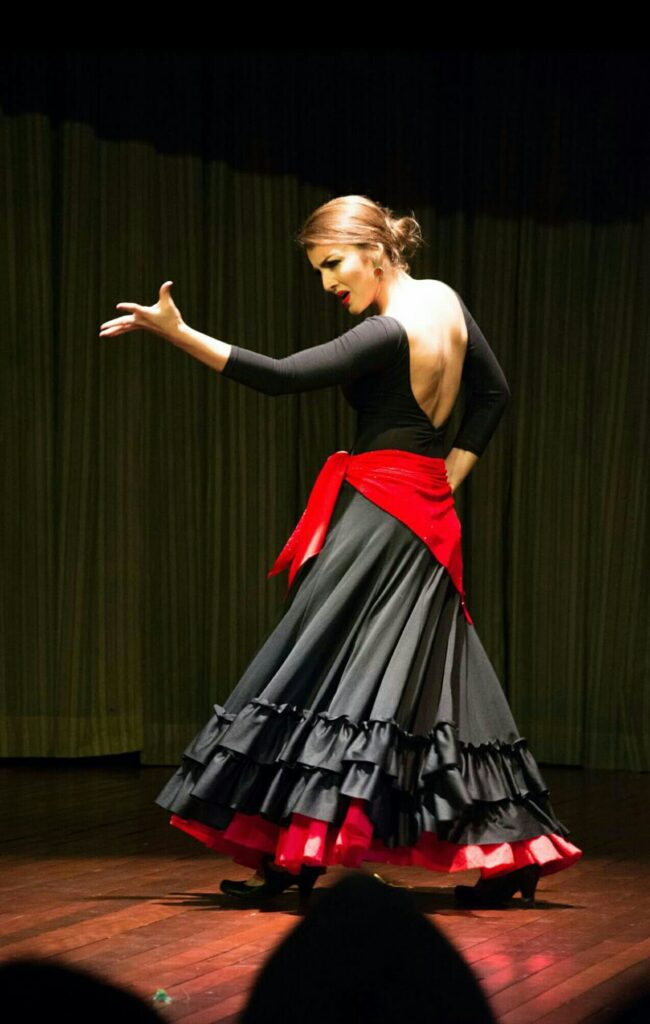
Take me back to the beginning – when and where were you born and when did your parents learn you had clubfoot?
I was born in Bogota, Colombia in 1981 with bilateral clubfoot. My parents panicked when they saw my feet and my mom immediately blamed herself. Sonograms weren’t routine then so my parents had no clue I would be born with clubfoot, or even what it was. The first baby gift my father brought home was a little pair of shoes, but when my mom saw him coming, she told him to forget it – they were not going to fit.
After I was born, the doctor told my parents my condition was treatable with surgery. By the time I was six months old I had three surgeries on each foot and wore casts between and after the surgeries until I was four. I never crawled, but my mom said I would “stomp” my casts on the floor so loudly she always knew where I was in the house.
After that I had to wear what I call “orthopedic Frankenstein” shoes until I was eight. I had to wear the right shoe on my left foot and the left one on my right foot. Everyone made fun of me for the shoes wondering why I was wearing them backwards. Instead of telling them, I would make up stories, act confused, or change the subject. When they took my casts off, I had to wear a wire brace at night that was uncomfortable. Even at four I was strong and I would wake up and twist the metal bar. I broke many mattresses doing this. My parents ended up bundling me in blankets to try and prevent me from breaking the brace and the mattress.


Tell me about your family. How did they react to your clubfoot?
I’m the oldest of six – I have three sisters and two brothers. None of my brothers, sisters, cousins, parents, or grandparents have clubfoot. I even asked my great grandma, but she had no memory of anyone in the family being born with it. Instead of making me feel bad, it made me feel unique.
Since I’m the oldest, most of my siblings don’t remember a lot about my treatment, but they see the scars on my feet and know what happened. They also knew by the way I walked and ran because it looked a little different – I still struggled to walk without being on my tippy-toes. My siblings never made me feel like a victim and my parents never told me I was fragile. Colombia is full of mountains to climb and I would just join in – even though it was hard. I never showed suffering. I wanted to lead by example so if our family was climbing a mountain, I was going to climb it too. I was also my mom’s right hand. I didn’t want to appear weak because of my clubfoot. I always told myself when I was younger that if I had a child with clubfoot, I wouldn’t be afraid. However, when my son was born, I was grateful his feet were normal.
Did you attend school? What was that like?
I attended school with my siblings. We would hear people making fun of me, especially about the Frankenstein shoes. Sometimes I would switch my shoes once I got to school so they were on the correct feet.
The mocking made me more determined and lit a fire in me to challenge myself to always go after what I want! For example, I always entered the school talent shows and danced in front of the entire school. Ultimately, all the mocking made me a perfectionist because I wanted to show people I could do anything. Feeling defeated was more painful than the bullying I experienced.


How do you feel about the treatment you received? Do you have any lingering effects (pain, stiffness, etc.)?
I’m very thankful for the surgeries, casts, and braces that transformed my feet. However, when I was eight years old I told my parents I was done with all the treatments. They were thinking of pursuing another surgery to cut out some ligaments and use a screw to keep my heel down. They showed a video of the surgery, and I said, “No way!” Plus, there was a chance I could lose even more mobility in my foot. I woke up one morning, it was early so my parents were barely awake, I took off my bandages, the brace, and whatever my parents wrapped me up in, and threw them away. That was the day I accepted my feet how they are. They are “my normal.”
When I moved to the United States I did some modeling and when the photographer sent back the pictures, he had digitally removed the scars on my feet. Something about it made me feel on edge – seeing my feet without the scars wasn’t my normal. Even though my normal is different, I thank God every day for the surgeries, the casts, and the treatments because I have seen people who never received treatment. That could have been me.
Was there a moment when you felt “I’m better,” or are you still working towards that?
Since becoming a dancer and bodybuilder, I have strengthened my feet. I love walking barefoot – in the grass, sand, over roots of trees – different textures strengthens my feet. Now I can wear flat shoes. I continue to do exercises to improve my dorsiflexion because that is still a little difficult, but I do squats to help get my heel on the ground. I’ve also been taking an anatomy course to learn how everything in the body is connected and how to continue strengthening my feet.
I’m also studying the concept of pain and how it affects the chemistry in your body. This integrative approach is what got me where I am today. A big part of my transformation happened when I did the work to change my limiting beliefs. The transformational moment for me was when I combined my mind and body. I accepted myself the way I am.


What’s life like for you now? What’s your favorite active thing to do?
The doctors said I might never walk, which is probably why I became a dancer. They also told my mom by the time I was forty I would probably be in a wheelchair. But I’ve always had this little voice inside me saying: “Go for more!” And I have achieved more than I ever thought possible. Movement has been my medicine. I’m also very passionate about healing from the inside out and that’s why I became a Holistic Health Coach and a PSYCH-K® facilitator. PSYCH-K® is a self-realization method that helps transform limiting beliefs in the subconscious mind to facilitate personal growth and well-being by aligning mind, body and spirit. I started this healing journey to heal myself, now I am helping others do the same.
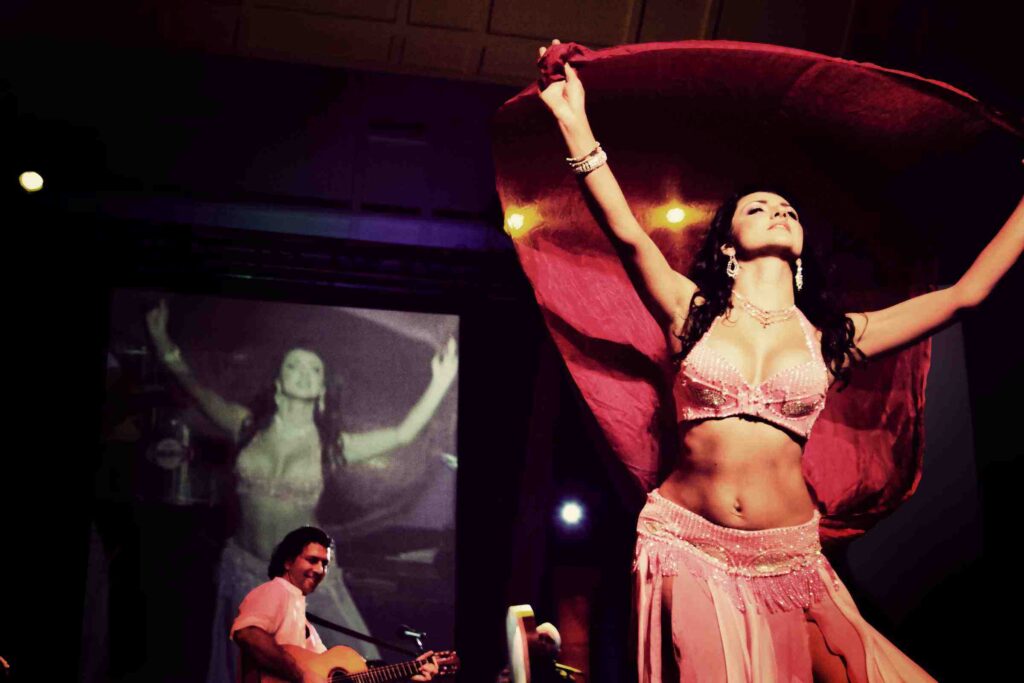
I am 44 now, and my condition has not stopped me from doing anything. Although I still lose my balance or land awkwardly, dancing in heels makes it so much easier! I don’t think I will ever stop dancing. I dance because the first memories with my mom are of us dancing together. I remember her telling me, “When you dance, nobody sees your feet. They see your charisma!” and that’s how I want to be remembered.
What kind of awareness-raising or advocacy messages do you think would benefit families of children born with clubfoot?
To moms out there with a child born with clubfoot: this is a gift in its own way. You will watch your child grow and do things you never imagined they could, just like my mom did. Your child will reach goals you never imagined and through it you will see the strength you have as a mom. You will hear “It’s too hard,” “You can’t,” “You won’t be able to,” but break through those barriers. When you work on yourself from the inside out your life will transform. Appreciating your differences brings uniqueness to the world. At the end of the day, my clubfoot is a blessing, because I would not be this strong, determined, and disciplined if I hadn’t been born this way.
How has your clubfoot journey impacted the way you approach life?
I would encourage those born with clubfoot to embrace your uniqueness and invest in yourself. I posted videos online about my experience with clubfoot and how movement transformed my life. A teacher from Colombia saw them and called to tell me about a child born with clubfoot who was going through treatment. This child loved to play soccer, but the child’s mother instructed the school staff not to let the child play. The teacher wanted advice on how to approach the situation. I explained that it is important to work with the child’s doctor, but limitations are not the answer. Transform your mindset and don’t let anything limit you.
My clubfoot journey has convinced me that I am limitless and everything is possible. I just have to follow my heart and always bet on myself!
What do you want the world to know about clubfoot?
When my mom was pregnant with me her stomach was hurting so she got a massage. Some say the massage caused the clubfoot. Others say it is because I was “kneeling” in my mother’s stomach. Also, my mother and father are different blood types—one positive and one negative—some say this caused my clubfoot. And of course, some people believe it is karma.
This lack of awareness is a barrier and makes it difficult for parents to seek help. They feel lost and fearful. People need to understand why and how to treat it. By making the condition more visible by sharing stories like mine we can create hope and spread accurate information. That is why I was so glad when I found out about the work MiracleFeet is doing and decided to support their mission in whatever way I can. Everyone born with clubfoot deserves a chance to live an independent, active, and healthy life.
Learn more about Xiomara on her website or follow her on Instagram.
“Everyone born with clubfoot deserves a chance to live an independent, active, and healthy life.”


