An Indescribable Joy for Betsaleel: Clubfoot care arrives at last
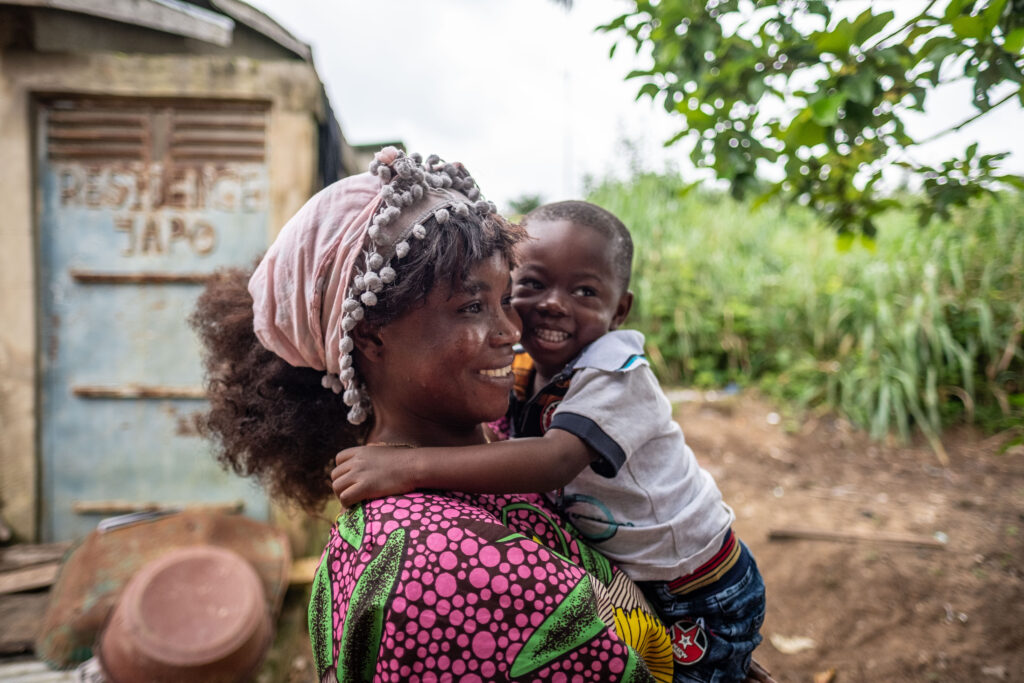
As a mother of three daughters, Deborah was thrilled when she learned her fourth child was a baby boy. The whole family shared her excitement, but when her son Betsaleel eventually arrived, the scene was far from how she had imagined it. Deborah had planned to give birth at a nearby hospital but never made it that far. Halfway there, her labor started and the taxi driver had to pull over and help deliver Betsaleel on the road side.
A few days later, after recovering from childbirth and the unexpected delivery location, Deborah noticed that her newborn’s feet looked different from those of her other children. From the ankle upwards everything seemed entirely normal, but the feet were twisted sharply inwards with the soles facing up.
“Look at the baby’s feet!” She exclaimed to her mother, “Why do they look like that?”
Already under enormous stress after the delivery, Deborah’s thoughts began to spiral. She confided her fears only to her mother, wondering whether her child was fully human. Seeking reassurance, they watched closely to see how Betsaleel responded to touch. When he did, Deborah was reassured and embarrassed by her worries. She accepted that he was an ordinary child, just one born with twisted feet.
“That was the day I learned what clubfoot was” she says, as she sits in the shade of a palm tree near her home in the village of Montezo, with Betsaleel, now three, fast asleep on her lap.
It was the midwives at the hospital who first told her the condition had a name. Deborah had seen people with similar feet in the past, but she’d always assumed they’d been in accidents. One was a student at the school where she worked selling juice. She’d asked the girl one day why her feet looked that way, but the girl hadn’t replied. Every time Deborah saw her, her heart filled with sadness. Now she understood.

The midwives downplayed Betsaleel’s condition, telling Deborah that it might go away of its own accord if she kept the feet wrapped in bandages. Once back home in Montezo, she followed their advice, but it didn’t have any impact.
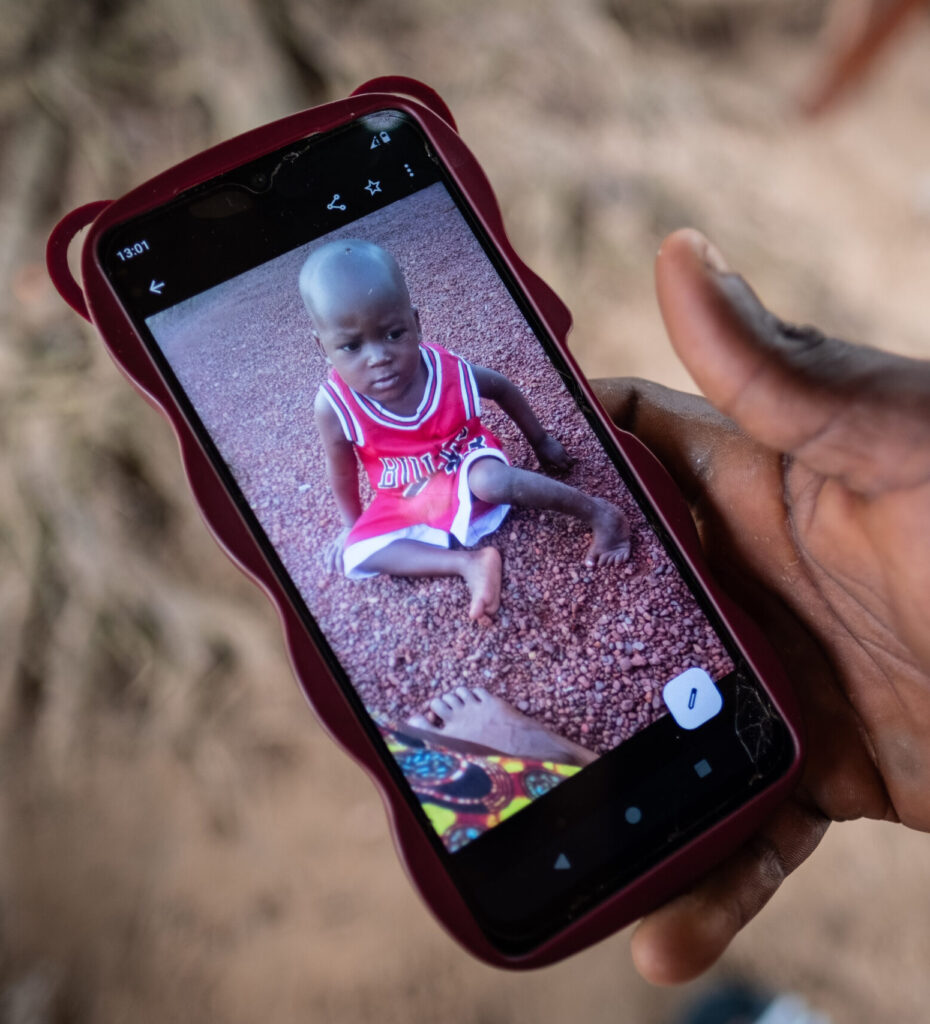
“Every time I removed the bandages, nothing had changed,” she says. “I doubted whether my child would ever walk normally. I was so stressed.”
Both Deborah and her husband struggled to come to terms with Betsaleel’s condition. Deborah cried every day. She couldn’t eat. Her husband retreated, spending most of his time alone in the bedroom.
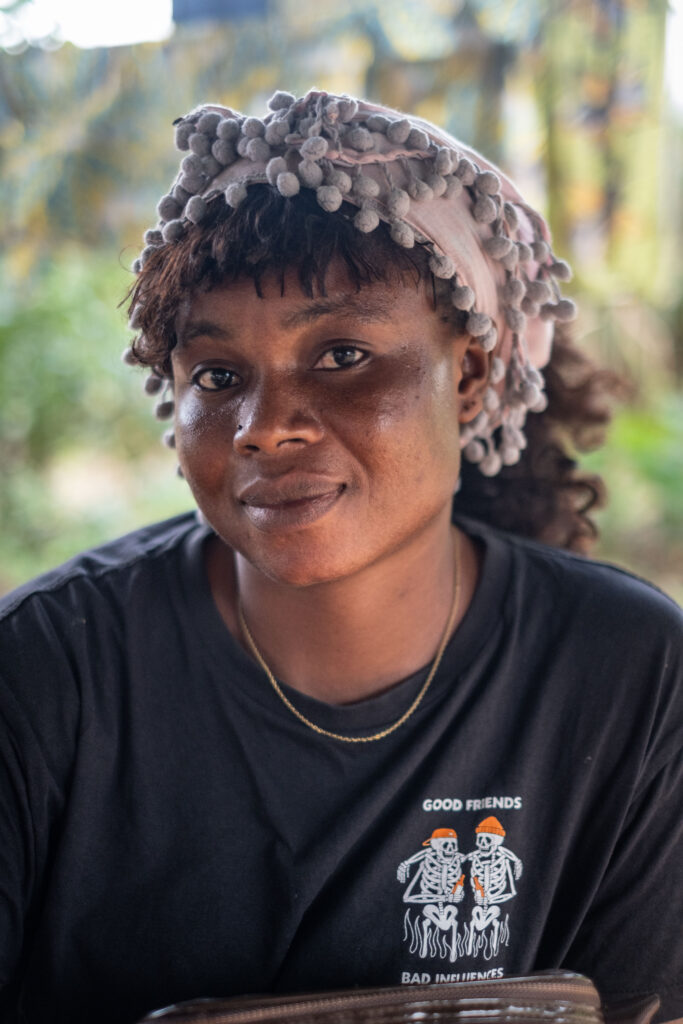
“People mocked me,” she says. “Even at the school where I sold juice, kids asked questions, some laughed. It hurt. When you’re already in pain and people say hurtful things, it can make you feel hopeless.”
Many stigmatized parents in Deborah’s position might try to avoid exposing their child’s feet in public, but Deborah did the opposite. In her quest for answers, she showed everyone she could, ignoring the cruel comments.
“I wasn’t ashamed,” she says. “I cried so much but I was determined to find a solution. I showed everyone.”
When the foot bandages yielded no results, Deborah returned to the hospital, desperate for another way to heal her son’s feet. Eventually, she was referred to the Don Orione clinic in the town of Bonoua, about 70km from her home.
At the time, the clinic was not practicing the Ponseti method to treat clubfoot, the method now widely acknowledged as the gold standard, which uses iterative casting followed by bracing to realign the feet and maintain the correction.
Deborah rented a room in town and did everything the clinicians asked of her, but after three weeks, the money ran out. She and Betsaleel traveled back to the village, his feet every bit as twisted as they were when they started. After that, her quest for a solution took her down a different path.
“I asked around about traditional healing,” she says. “People told me it might help, so I went everywhere, to different villages, all for my child,. but every time it was the same, his feet were the same.”
Deborah’s husband told her God would intervene, but at times, as Betsaleel grew older, she had to fight not to lose hope. When her son, now a toddler, began asking her, “Why is my foot like this?” she says it was hard not burst into tears.
Then, one day when Betsaleel was two years old, a friend told her about an NGO in the capital, Abidjan, that might be able to help and persuaded a doubtful Deborah to fill out an application.
“I signed it and sent it in, but I had no energy left,” she says. “I thought it was over for my child.”
A few days later, her husband received a call from a man named Wilson, who they would later learn was the head of the clubfoot program at SEV-Ci, MiracleFeet’s partner in Cote d’Ivoire.


“I’ve been trying to reach you,” Wilson said, before instructing them to come to the new Ponseti clubfoot clinic at Don Orione. All Deborah could think to say was, “Thank God.” Yet she worried about the cost. The last time they tried a clinical treatment, she’d run out of funds and had to abandon it.
What she didn’t know was that, since her first attempt at treatment at Don Orione, the clinic had become one of several supported by SEV-CI, who had not only provided extensive training on Ponseti clubfoot treatment, but, with MiracleFeet’s support, was also able to ensure that treatment was free to patients.
When her husband returned with Betsaleel from their first visit to the clinic to tell her the treatment was free, she was overjoyed.
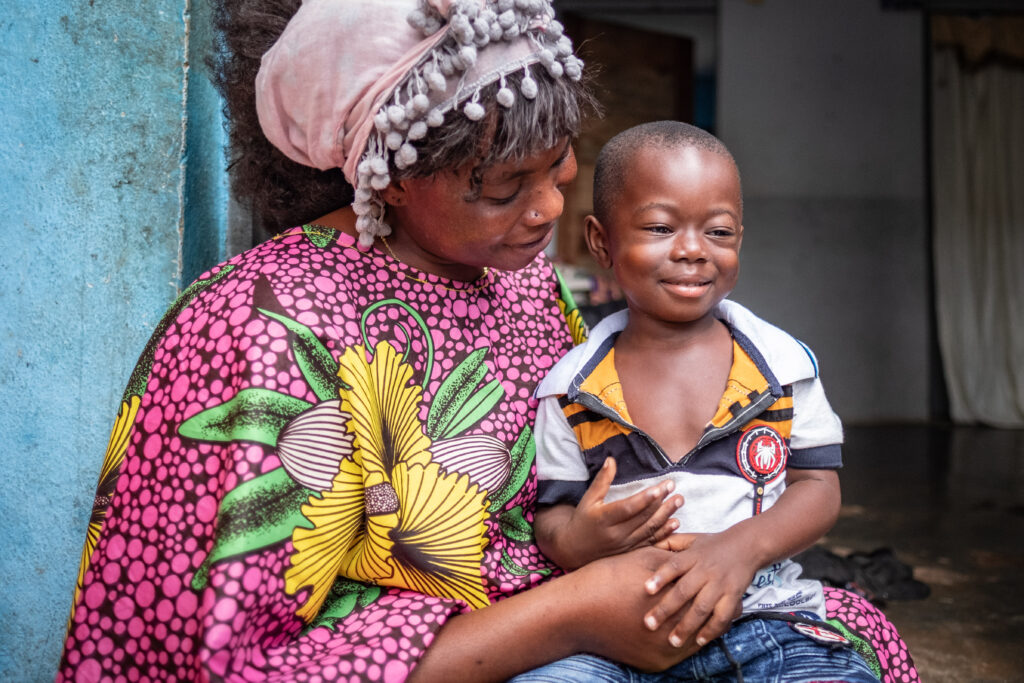
“That first day, seeing the casts on his feet filled me with joy,” says Deborah. “I cried, but they were tears of happiness. I felt like there was finally a solution. I was so happy.”
Betsaleel traveled to the clinic weekly after that to have his casts changed, his feet straightening a little more each time. Before long, he progressed to the bracing phase wearing a MiracleFeet foot abduction brace, which, now that he’s three, he wears only at night.
“It was a joy I can’t explain,” says Deborah, of seeing her son’s feet steadily healing. “I was overwhelmed with joy.”
On a rainy day in June, Betsaleel sits in Deborah’s lap in front of their home while Wilson and a colleague give him a checkup and a new pair of shoes for his brace. While patients normally travel to the clinic for such appointments, Wilson does regular outreach sessions to visit patients at their homes, easing the burden for families and helping ensure they complete treatment.


Betsaleel’s feet look exactly as Wilson hoped they would. He’s confident the boy will have no problem walking, running, and playing. Already, Betsaleel’s life has changed enormously. An intrepid child with an infectious grin, he spends his days playing with his sisters in the front yard and scaling the pile of discarded bricks that lie in a heap behind the house, ripe for pretend play.
He also enjoys zooming about on his toy car and playing football, a source of delight for Deborah, who is an avid football fan herself, and who harbors dreams of him one day becoming a professional footballer. She feels deeply indebted to Wilson and his team. Had it not been for their intervention, she says, seeing Betsaleel grow up without treatment would have broken her heart.
“Some people never learn that treatment is available,” says Deborah, who now wants to spread the word to others in her position. “I was lucky to discover that care existed, but others may never know. One day, I’ll go through the village looking for children with this condition and take them to Mr. Wilson.”
“I will take them to the NGO that helped me,” she says. “The NGO that made me the happy and proud mother I am today.”


World Clubfoot Day is recognized each year on June 3 to raise awareness about clubfoot, a condition affecting more than 200,000 babies born worldwide every year. When treated early, clubfoot is highly treatable. This day highlights the importance of access to timely, affordable care so children like Betsaleel can grow up healthy, independent, and able to reach their full potential.

Your gift on World Clubfoot Day
unlocks a world of possibilities for a child born with clubfoot.
Give Today