
More than a disability: Chall An creates meaning and purpose through resilience
Within the last two years, clubfoot care in the Philippines has rapidly evolved. With expanded newborn screening initiatives and national insurance policy changes that cover more clubfoot-related visits, more infants born with clubfoot in the Philippines are receiving proper, timely care than ever before. It’s exciting evidence that integration of clubfoot care into national health programs can—and is—working. Yet the repercussions of decades of inadequate access to treatment still linger. Rewind to 1994, two years before newborn screening of any kind existed in the Philippines. That was the year Chall An was born.
The youngest of three born to her Filipino mother and Korean father, Chall was well-protected, to say the least. Her bilateral clubfoot made her parents overly cautious. They’d never seen or heard of clubfoot before, and access to information on the condition was limited. Chall remembers being casted as a child, and even wearing normal shoes at one point, but that was the extent of her treatment: one cast. Her parents did not know about the Ponseti method or all that it entailed and, unsurprisingly, her feet quickly relapsed.


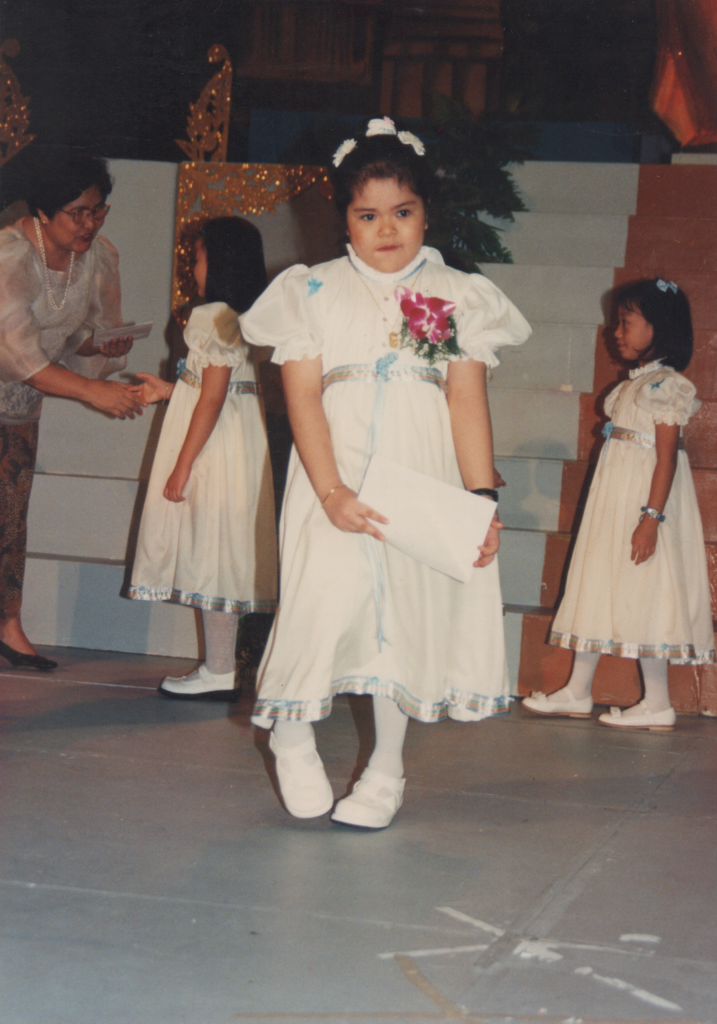
Chall’s childhood with clubfoot was, in her own words, “sheltered.” As is common for individuals living with untreated clubfoot, Chall didn’t go out in public as much as others. Her devoted parents’ priority was keeping her safe, and for them, that meant being selective about her outings and activities. Chall remembers her desire to go outside and play, but more often than not, she stayed home. Though her siblings enjoyed more freedom and independence than she herself was allowed, Chall’s parents were simply doing their best navigating the challenges of raising a child with an untreated condition, providing her with love and support, but also protection. Often, however, boredom is a seed for creativity. Chall’s quiet childhood awoke her curiosity and lit a flame within her that made her wonder what exactly she was capable of achieving.
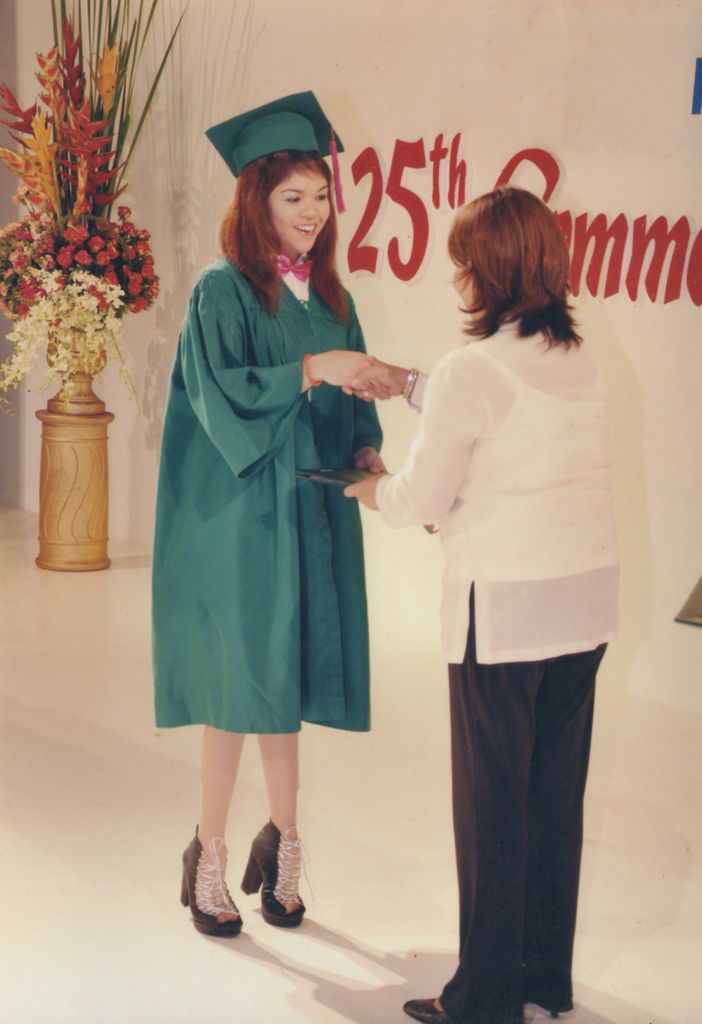
Eventually, she attended primary school, where she welcomed more social interaction. The quality, however, was lacking. As her clubfoot was extremely pronounced, people at school always noticed her feet first. When she walked into a room, their eyes immediately turned to her bent feet instead of to her face. Other kids mocked her way of walking right in front of her. They called her “lumpo,” which means cripple, and told her she’d never become anything in life because she was disabled. The awful schoolyard bullies she thought only existed in movies turned out to be real. Her confidence collapsed and she became extremely self-conscious. Her daily pain was both emotional and physical. She couldn’t walk or stand still for long without pain from the pressure shooting up her legs. She never learned to jump or run. Looking at her peers, she wondered, “Why me?” She envied their mobility, their straight feet, their normal shoes. There were no answers to her question. Chall still didn’t even know what her condition was called. At one point, the school director offered to pay for Chall to receive surgery to correct her feet, but the fear of the unknown and uncertainty of whether surgery might make her feet worse dictated her parent’s decision to decline the offer.
Despite the darkness, sunrise was coming for Chall. Her whole childhood, she’d been holding back this river of curiosity, holding onto this flicker of creativity inside her. When she turned eighteen and began college, the floodgates opened and that flame became a raging fire. She wanted to experience the world and everything it had to offer. She wanted to find out what she had to offer the world. To start, something her parents would never approve of: cliff jumping. She quickly became a self-proclaimed adrenaline junkie, pushing past her fears and trying anything that made her feel alive. She learned to play the guitar and started singing on stage in front of crowds. She realized she loved performing, something her younger self would never have considered. Chall’s life began to revolve around what she could do, instead of what she couldn’t.


Chall’s physical appearance began to reflect her new confidence as well. She experimented with how she looked – her hair, her clothes, her accessories. In college, she took up industrial design, exploring different materials and fashion pieces– bags, jackets, shoes. She realized that what she couldn’t do with her feet, she could make up for with her hands. Attending a leather workshop, she fell in love with the medium and her thesis project was designing custom shoes for people with clubfoot. At her mock defense, she presented her design to a small audience, which happened to include a young woman named Madel Yu, whose own project was a prosthetic leg design. The two connected and quickly became close friends—a friendship from which would blossom a business. Born from their shared passion for design and a combination of their last names, ANYU Handicrafts began as two friends creating handmade products from wood and leather. The two design, create, and sell wallets, bags, and keychains, yet their business stands for so much more. Their motto is, “If we can do it, ANYU can do it too!,” modeling for their friends, families, clients and audiences that disability does not define a person’s capability.


“As much as the world tends to focus on what we lack,” Chall explains, “we can focus on what we have and what we can offer.”
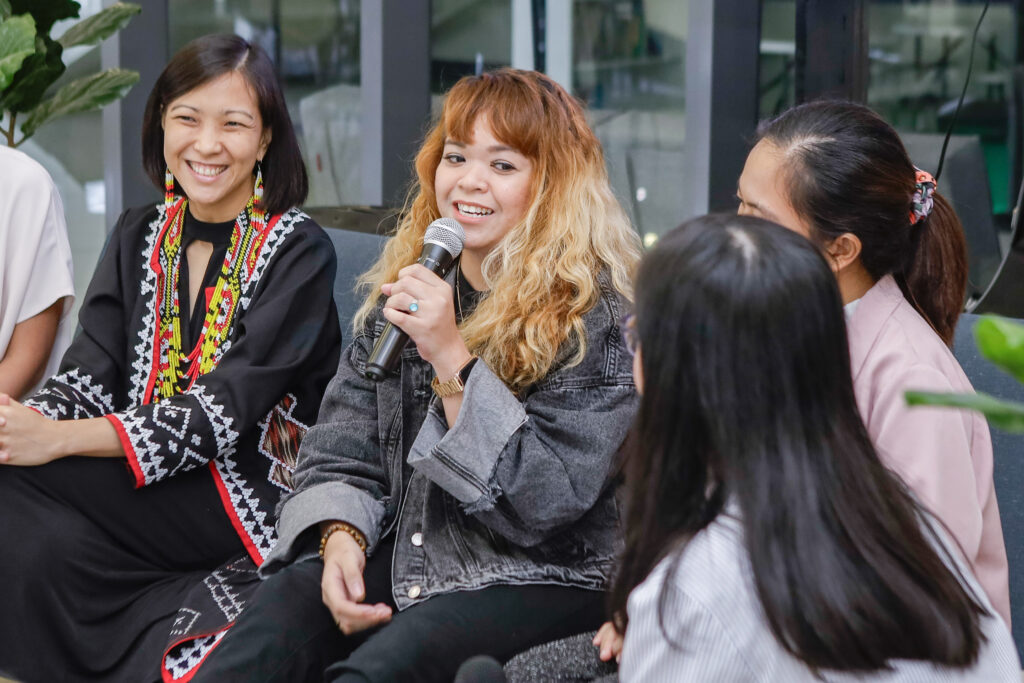
As their business began to grow, Chall and Madel were invited to a social enterprise convention, where Chall shyly shared her own story for the first time with a group of mothers of children with disabilities. “See her?” someone told the group of mothers, “even though she has a disability, she is capable. Don’t worry about your children; they can become her.” It was what Chall had fought hard to believe in her own heart, spoken out loud for the first time. She saw many mothers crying, and the sight brought her to tears. ‘This,’ she thought, ‘is what it feels like to empower.’ Chall realized that by sharing her story, she could change others’ lives, even just a little bit. The experience was fuel to her internal fire, and Chall has been using her platform to empower others ever since.


Today, Chall and Madel are busy designing, creating, and fulfilling orders. They are mostly a two-woman team, but have big ideas for the future of ANYU Handicrafts, with a plan to hire more people with disabilities and teach them leather craft and woodworking. Their focus is delivering beautiful, high-quality products that come with a message: ”We can turn ‘disability’ into THIS-Ability”.
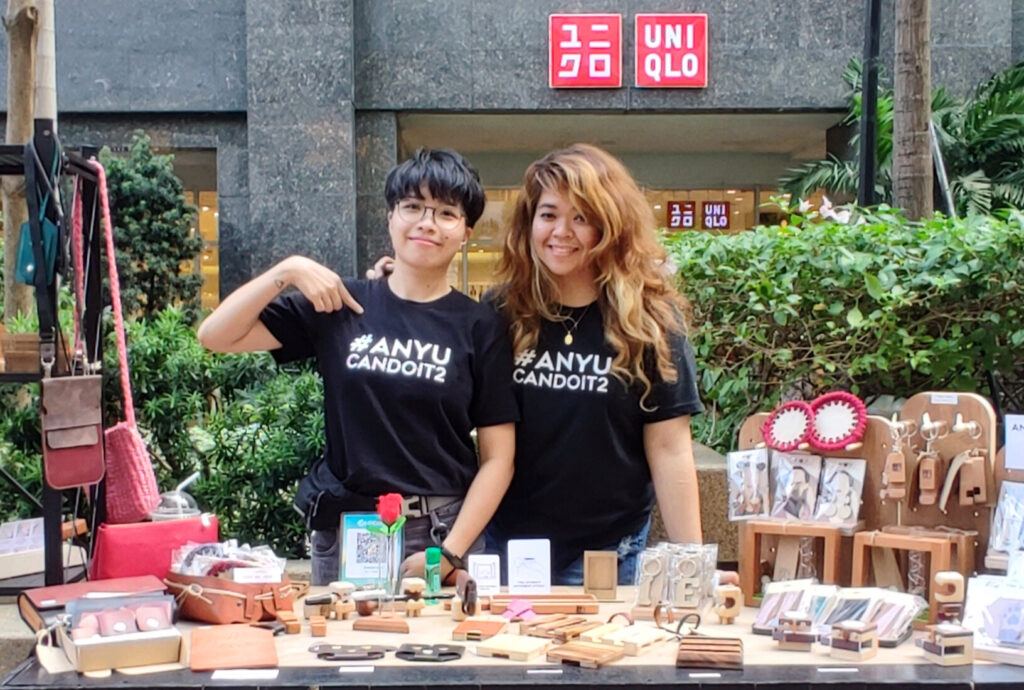
ANYU Handicrafts participates in MiracleFeet’s Give While You Shop program, donating 10% of their sale prices on advocacy items to MiracleFeet. You can support Chall and spread awareness for MiracleFeet by purchasing their MiracleFeet-inspired products.