
New Survey Finds Strong Long-Term Outcomes for Children Treated for Clubfoot in Uganda
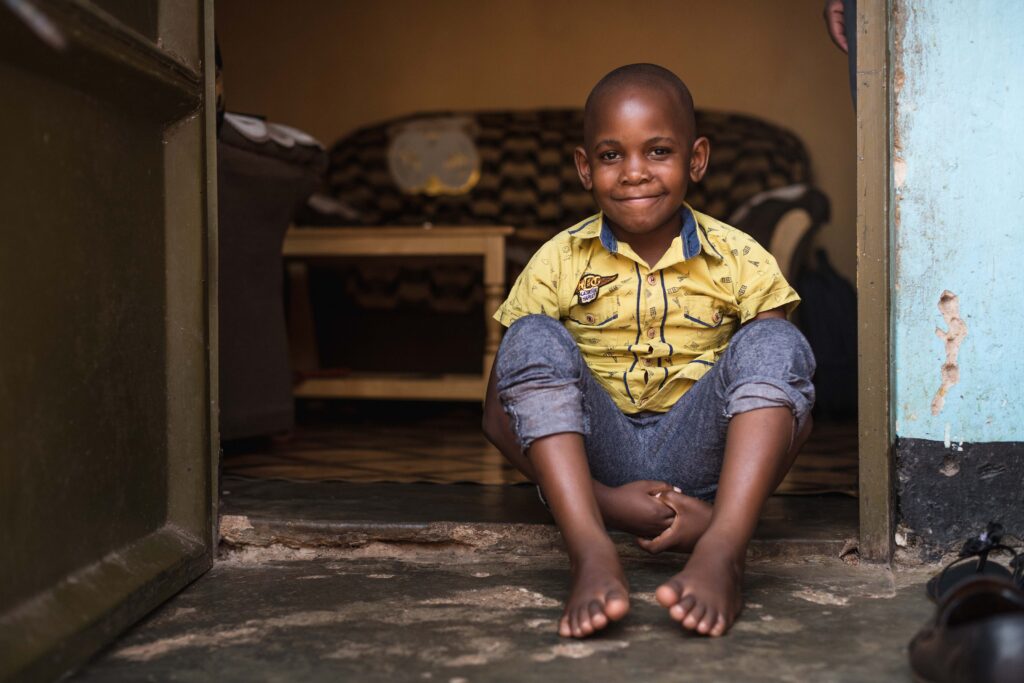
At MiracleFeet, children’s health and wellbeing are at the heart of our mission, which is why we regularly conduct assessments to better understand how clubfoot treatment is affecting children’s lives and how we can continue to provide accessible, high-quality, life-transforming care.
Since 2019, we’ve worked with external assessment firms to gain insight into the impact clubfoot treatment has among children who received care through MiracleFeet-supported programs. We focus not only on the direct impact of treatment on children’s physical mobility (walking, running, freedom from pain, etc.), but also more broadly on other aspects of their lives, including school participation and social inclusion.
This year, Uganda was selected as the focus country for an external assessment due to MiracleFeet’s longstanding presence, which allowed researchers to explore outcomes among some of our earliest (and oldest) patients. Over the past eight years, MiracleFeet has enrolled more than 6,000 children in clubfoot treatment in Uganda. We commissioned MERL Innovations Ltd., a Uganda-based research and evaluation firm, to conduct parent feedback surveys with families whose children received treatment through MiracleFeet-supported clinics across Uganda.
The Uganda assessment was designed to leverage MERL’s local expertise, technical capabilities, and understanding of the Ugandan context. MERL conducted two distinct surveys: a main survey with caregivers of two patient-age cohorts (less than four years and four or more years), and, several months later, a survey of caregivers of patients six or more years of age. This second survey served to answer questions related to longer-term outcomes for children, including schooling and social inclusion.
Both surveys were conducted over the phone by skilled interviewers and in multiple local languages to ensure caregivers’ full understanding of the questions.


Highlights from the Main Survey:
- 93% report their child’s quality of life has “very much improved” following treatment
- 91% report their child can walk without difficulty
- 95% report their child can play alongside their peers
- 94% report their child rarely or never experiences pain in their affected feet
The survey also highlights encouraging progress in education with 80% of school-aged children currently enrolled in school. Notably, 99% of caregivers whose child was not yet of school-age plan to enroll their child when old enough.
The survey also asks about the challenges families face in accessing treatment. More than half of caregivers reported experiencing difficulties during the treatment journey, with transportation costs and travel expenses cited most frequently.
Caregivers identified several ways MiracleFeet and partners could further strengthen services including increasing awareness of clubfoot, expanding access to treatment closer to communities, and reducing the financial and transportation burdens associated with care.
Highlights from the Oldest Cohort Survey (children aged 6+ years):
The survey of older children ages six and above offers a powerful glimpse into the lasting impact of clubfoot treatment. Years after receiving care, children are walking and playing without difficulty, thriving in school, building friendships, and participating fully in their communities.
89% report their child’s quality of life has very much improved as a result of treatment.
These improvements are evident in children’s daily activities.
- 90% can walk without difficulty
- 87% can run without difficulty
- 95% can play like their peers
- 94% rarely or never experience pain in their affected feet
- 98% of children are currently enrolled in school
Beyond mobility and education, the findings from this survey of older children reveal important gains in social inclusion and emotional well-being.
- 95% are included by other children in play or games
- 96% experience little to no teasing or bullying related to clubfoot
- 99% have at least one close friend outside their family
These findings suggest that successful treatment not only improves physical function but also helps children build relationships, confidence, and a strong sense of belonging.
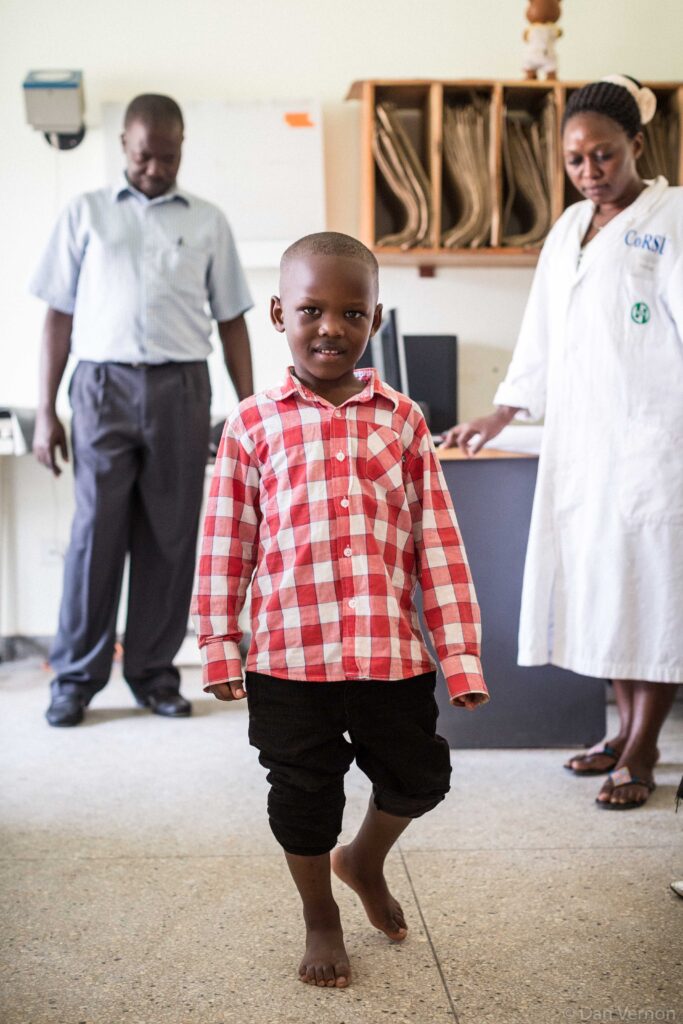
Families’ experiences further underscore both the benefits of treatment and the commitment required to complete it. Similar to the caregivers of the younger cohorts surveyed, in the oldest cohort survey, 64% of caregivers reported facing challenges during their child’s treatment journey, with transportation and clinic-related costs emerging as the most common difficulties. When asked how programs could be strengthened, most caregivers said they had no suggestions for improvement – an encouraging sign of overall satisfaction with services. Those who did offer recommendations emphasized the importance of increased community awareness, expanding resources and supplies, and ensuring clinics have enough trained staff and doctors to meet growing demand.
“To be honest, his life greatly improved because he can walk, run, and play football, which I never would have imagined when he was born.”
– Caregiver of a child in Uganda
Treatment extends beyond the feet
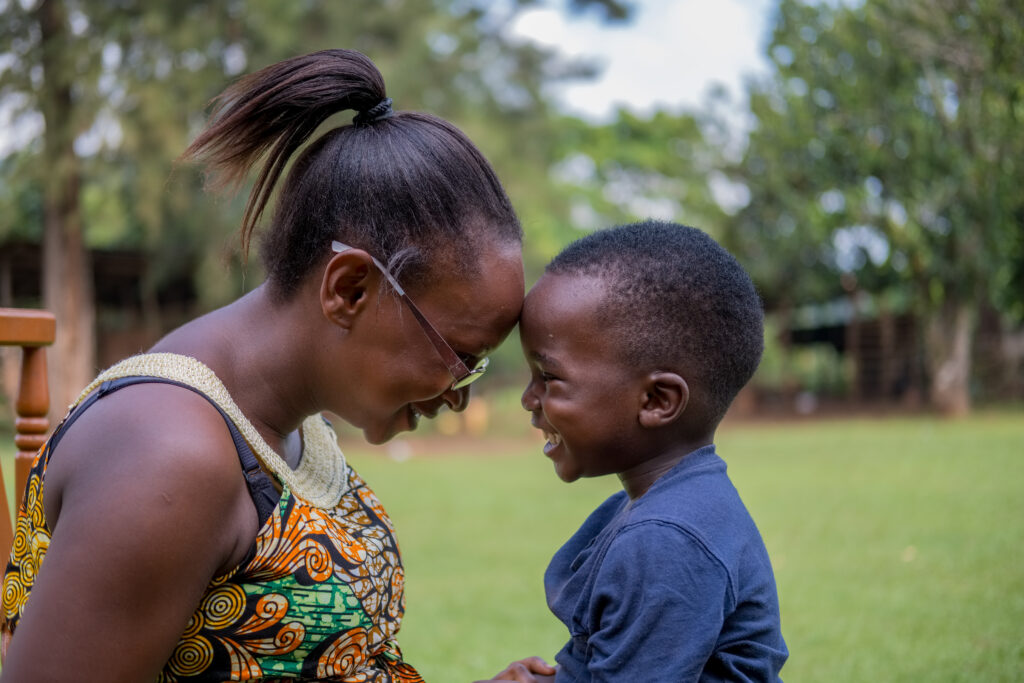
Taken together, the findings of these two parent feedback surveys in Uganda demonstrate that the benefits of clubfoot treatment extend far beyond corrected feet. Years after treatment, children are attending school, participating in sports and play, forming friendships, and pursuing their goals with confidence. The results offer compelling evidence that early, effective clubfoot treatment can create lasting opportunities for children and help them reach their full potential.
2026 Surveys
Past Surveys
